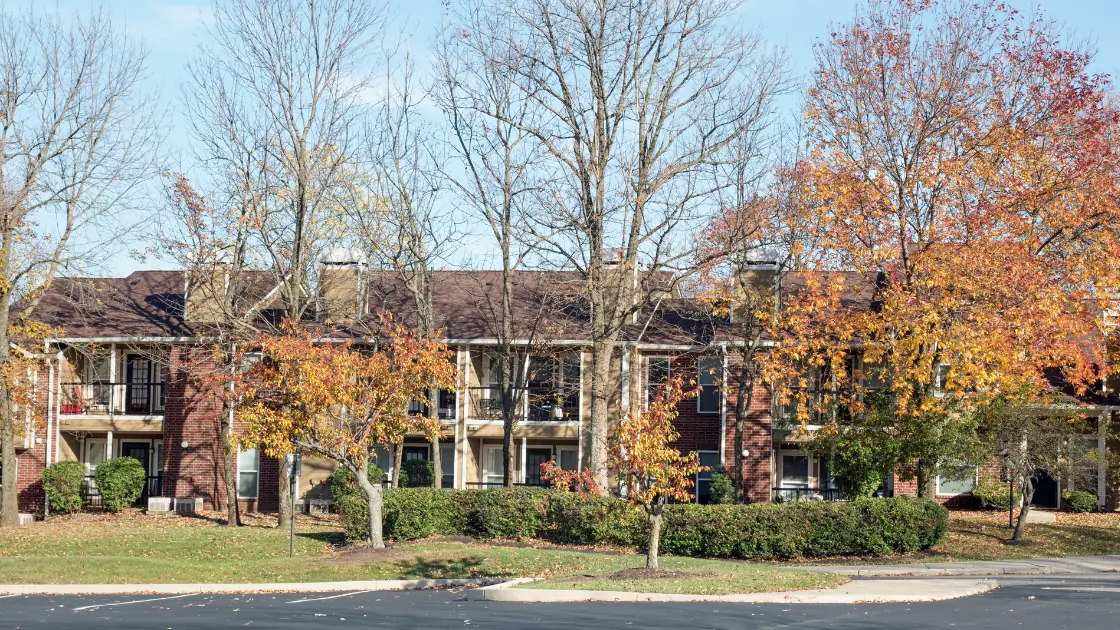
A vacant unit is the one thing every property owner dreads. No tenant means no rent, and no rent means you're covering the mortgage, utilities, and upkeep entirely out of pocket. If you've ever watched a unit sit empty for weeks while your phone stays quiet, you know exactly how frustrating that can be. The good news is that vacancies aren't just bad luck. Most of them are preventable. With the right approach to pricing, marketing, and tenant relationships, property owners in Akron and Cleveland can keep their units full and their income steady. Here's what actually works.
Price the Unit Right From the Start
Overpricing is one of the most common reasons a rental sits empty. It feels natural to aim high, especially when you've put money into the property. But if your asking rent is out of step with what comparable units in your neighborhood are renting for, prospective tenants will scroll right past your listing.
Before you post a unit, take time to look at what similar properties in your area are actually renting for. That means similar square footage, bedroom count, amenities, and location. If your unit is in Cuyahoga Falls or Stow, the comparable market looks different than it does in Lakewood or Cleveland Heights. Pricing competitively from day one attracts more interest, generates faster applications, and gets a qualified tenant in place sooner.
On the flip side, underpricing can attract the wrong applicants and leave money on the table long-term. The goal is to hit the sweet spot where your rate reflects the unit's real value in the current market.
Market the Property Like It Matters
Strong marketing used to mean a yard sign and a newspaper ad. Today, prospective tenants search online first. If your listing isn't showing up on the major rental platforms with quality photos and a well-written description, you're starting at a disadvantage.
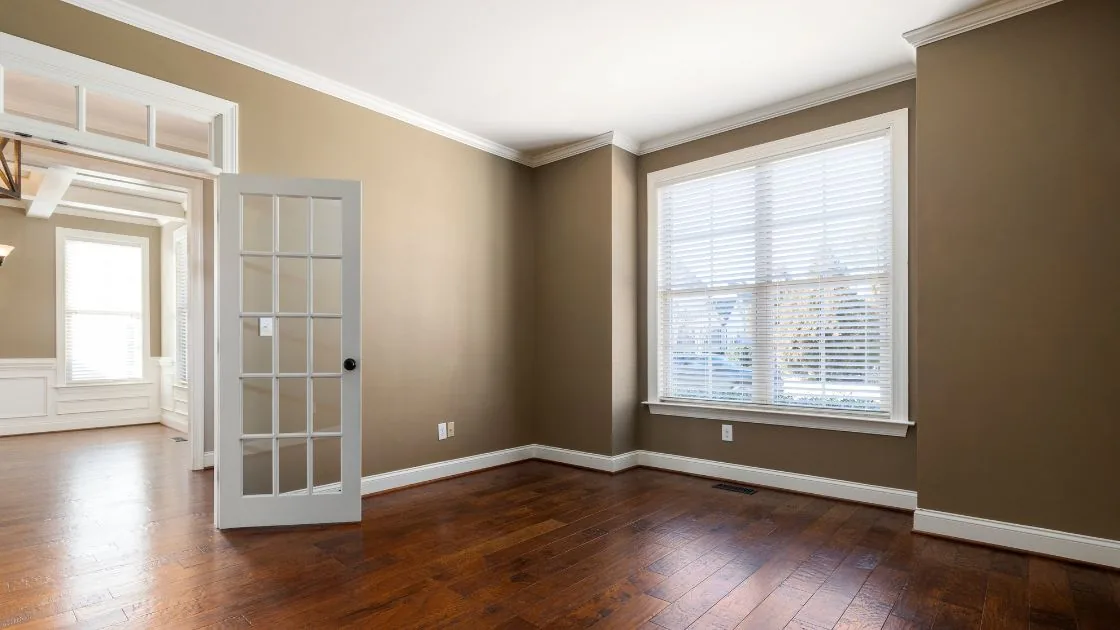
Good photos do more work than most property owners realize. A bright, clean unit photographed well will attract far more interest than the same unit shot with a phone in dim lighting. Write a description that actually tells a story. Mention what makes the unit a good place to live, not just a list of features. Easy highway access, updated appliances, off-street parking — these details matter to the people you're trying to reach.
Timing matters too. If you know a tenant is moving out, start marketing before the unit goes vacant. The goal is to have an approved applicant ready to sign before your current tenant hands over the keys. That kind of planning is how you fill a vacancy faster instead of watching it drag on.
Keep Good Tenants Around Longer
The cheapest vacancy is the one that never happens. Tenant turnover is expensive. Between the time the unit sits empty, the cleaning and repairs needed between occupants, and the cost of finding and screening a new tenant, losing a good renter costs far more than most property owners expect.
Responsive maintenance is one of the biggest factors in whether a tenant renews or moves on. When a tenant reports a problem and it gets handled quickly, that builds trust. When requests get ignored or take weeks to address, tenants start looking elsewhere. The relationship matters.
Reaching out proactively before a lease expires is also key. Don't wait for a tenant to decide they're leaving. Start the renewal conversation with enough lead time to work through any concerns, negotiate terms if needed, and keep a great tenant in place.
Screen Tenants Carefully
Thorough screening protects your property and reduces long-term vacancies. A tenant who doesn't pay on time, damages the unit, or creates conflict with neighbors is going to cost you far more than a brief vacancy ever would. Rushing to fill a unit with the first applicant is a mistake that shows up in repair bills and eviction proceedings later.
A solid screening process looks at rental history, income verification, credit, and references. It needs to be consistent across every applicant to stay compliant with fair housing laws. Getting this right takes time and knowledge. It's one of the areas where professional management you can count on makes a real difference for property owners who don't want to sort through applications on their own.
Work With a Property Manager Who Knows This Market
Managing vacancies well requires knowing the rental market in your specific area, having a reliable network to market to, and dedicating real time to tenant communication, maintenance coordination, and lease management. For property owners who are already busy, or who own multiple units across Summit County, Cuyahoga County, Portage County, Stark County, and Medina County, that's a significant ask.
CRPM handles all of it. From pricing your unit competitively to marketing it to qualified renters, screening applicants, and managing the relationship once a tenant is in place, we handle the details so you don't have to. Your property is in good hands when you have a team working proactively to keep it occupied and well-maintained. Learn more about our residential property management services.
Peace of mind for property owners isn't just a nice idea. It's what you get when you have a professional management team in your corner.
Frequently Asked Questions
How long should a rental unit sit vacant before I'm concerned?
In most Northeast Ohio markets, a well-priced and well-marketed unit should attract serious applicants within a few weeks of listing. If you're past the one-month mark without a solid application, it's worth reviewing your pricing, photos, and listing description. Sometimes a small adjustment makes a big difference.
What's the biggest mistake property owners make when trying to fill a vacancy?
Rushing. The pressure to stop the financial bleeding leads some property owners to skip proper screening or accept the first applicant who shows interest. That can lead to late payments, property damage, and costly turnover down the road. Taking the time to find the right tenant is always worth it.
Does it matter when during the year I list a vacant unit?
Yes, timing does affect how quickly you'll find a tenant. Spring and early summer tend to be the most active periods for renters, with more people looking to move. That said, qualified tenants are searching year-round. Good marketing and competitive pricing matter in any season.
How does professional property management help reduce vacancies?
A property management company brings market knowledge, established marketing channels, and a screening process that's been tested across many units and applicants. They also handle lease renewals proactively, which helps retain good tenants and avoids unnecessary gaps in occupancy.
Do you manage properties across the Akron and Cleveland area?
Yes. CRPM works with property owners covering Summit County, Cuyahoga County, Portage County, Stark County, and Medina County. Whether you own a single rental or a growing portfolio, we're here to help.
Ready to Keep Your Units Full?
Vacancies cost money, but they're not inevitable. With the right pricing strategy, strong marketing, careful tenant screening, and proactive lease management, you can keep your rental income consistent. If you're tired of managing all of that yourself, CRPM is here to help. We've been providing professional management you can count on for property owners across Akron, Cleveland, and the surrounding communities. Give us a call today to talk about your property and what we can do for you.