October has a way of sneaking up on HOA boards. One week it's still warm enough for a board meeting on the patio, and the next you're fielding calls about frozen pipes, icy walkways, and parking lot potholes that didn't get patched before the frost. If your community isn't thinking about winter prep right now, you're already a little behind. The good news? There's still time to get ahead of it. Here's what HOA boards in the Akron and Cleveland area should be focusing on this fall to protect their communities and avoid costly surprises when the cold hits.
Why Fall Is the Right Time to Start
Most winter-related property damage doesn't come from a single storm. It builds up slowly. Water seeps into small cracks, freezes, and expands. Gutters get clogged with leaves and eventually ice over. Aging equipment that was on the edge last winter finally gives out in February when a replacement is hardest to find and most expensive to get.
Starting your winterization planning in September and October gives your board time to get bids, schedule contractors, and make smart decisions without being rushed. That's a very different situation than scrambling in December when every vendor in Summit County, Cuyahoga County, Portage County, Stark County, and Medina County is already booked solid.
Common Areas That Need Attention Before Winter
Every community is different, but there are a few areas that consistently cause problems for HOA boards across Northeast Ohio if they're not addressed before winter sets in.
Parking lots and driveways. Cracks and potholes get dramatically worse after freeze-thaw cycles. A small repair in October is a fraction of the cost of resurfacing a section of asphalt in the spring. Walk your common areas now and document anything that needs patching.
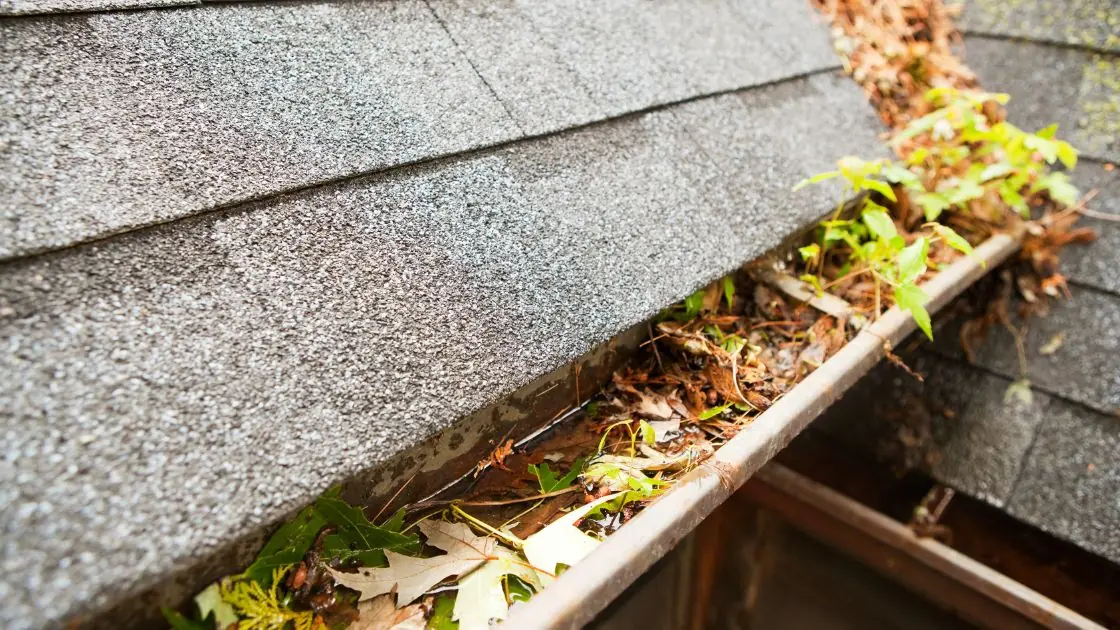
Gutters and drainage. Clogged gutters lead to ice dams, which lead to water intrusion into buildings and common areas. Schedule a cleaning after the leaves have fallen, not before.
Exterior lighting. Days get shorter fast. Make sure walkways, parking areas, and building entrances are properly lit. This matters both for safety and for your community's liability exposure.
Irrigation systems. If your community has irrigation, it needs to be winterized before the ground freezes. Burst pipes are a preventable expense that shows up on budgets year after year when this step gets skipped.
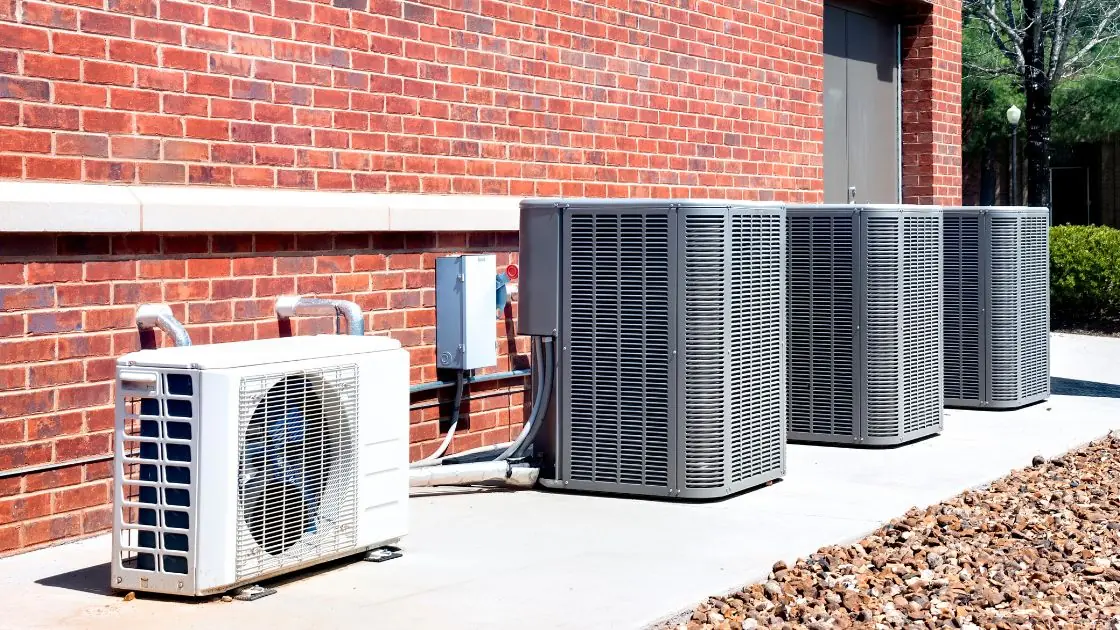
Heating systems in common areas. Clubhouses, mailbox areas, and any shared indoor spaces should have their heating systems inspected and serviced before they're needed. Discovering a problem in January is always worse than discovering it in October.
Snow and Ice Removal: Plan Before the First Flake
One of the most common headaches HOA boards face in Northeast Ohio is a snow removal contract that's either too vague, too expensive, or not in place at all when the first snow hits. Don't wait.
Make sure your contract clearly defines trigger depths (how many inches before the contractor shows up), service areas (parking lots, sidewalks, fire lanes), and response times. If you're renewing an existing contract, review it now rather than auto-renewing something that didn't fully meet your community's needs last year.
Also confirm who is responsible for salting and ice melt application, and make sure there are no gaps in coverage around building entrances, mailbox areas, or shared walkways. Slip-and-fall incidents are a serious liability concern for any HOA board.
Fall Is Also Budget Season
For most HOA communities, the fall is when boards finalize the upcoming year's budget. Winterization expenses shouldn't be an afterthought in that process. They should be a line item you plan for deliberately.
Consider building a reserve fund contribution that accounts for aging infrastructure. Roofs, parking lots, and mechanical systems in common areas all have expected lifespans. A well-managed HOA anticipates those replacement costs rather than scrambling to pass a special assessment when something fails unexpectedly.
If your board is working through the budgeting process now, think about what deferred maintenance is sitting on the list. Some of those items become significantly more expensive if they go another winter without attention.
How Professional HOA Management Makes This Easier
Volunteer board members are already stretched thin. Coordinating vendor bids, tracking maintenance schedules, reviewing contracts, and managing communications with hundreds of residents is a significant workload. That's before anyone considers their actual job and family obligations.
Professional HOA management takes those operational responsibilities off the board's plate. From coordinating seasonal contractors to managing vendor relationships and handling resident communications, a professional management company keeps your community running without burning out the people who volunteered to serve.
At CRPM, we handle the details so HOA boards can focus on the big-picture decisions that actually need their attention. We work with communities covering Summit County, Cuyahoga County, Portage County, Stark County, and Medina County, and we understand what winter looks like in Northeast Ohio. Your community is in good hands when you have a management partner who's been through it before.
Frequently Asked Questions
When should an HOA start winterization planning in Ohio?
September and October are ideal. That window gives your board time to gather bids, book contractors, and make decisions without the pressure of an approaching storm. Waiting until November or December often means higher prices and limited availability from local vendors.
What are the most important winterization tasks for an HOA community?
Priorities typically include parking lot and sidewalk crack repair, gutter cleaning, irrigation winterization, snow removal contract review, and inspection of heating systems in common areas. The specifics depend on your community's amenities and shared infrastructure.
How does professional HOA management help with seasonal planning?
A professional management company handles vendor coordination, contract review, maintenance scheduling, and resident communications on behalf of the board. This takes a significant administrative burden off volunteer board members and ensures nothing falls through the cracks heading into the busy winter months.
What should be in a snow removal contract for an HOA community?
Look for clear trigger depths, defined service areas, response time expectations, and explicit coverage of all shared spaces including parking lots, sidewalks, and building entrances. Make sure ice melt and salting responsibilities are spelled out as well.
Does CRPM manage HOA communities in Summit and Cuyahoga County?
Yes. CRPM works with HOA communities covering Summit County, Cuyahoga County, Portage County, Stark County, and Medina County. We provide full-service HOA management including administrative support, financials, vendor coordination, and board communications.
Get Ahead of Winter With Professional HOA Management
The communities that come through Ohio winters in the best shape are the ones that planned in the fall. If your board is feeling overwhelmed by the to-do list, that's a sign it's time to talk about professional HOA management. CRPM gives your community peace of mind for property owners and board members alike. Call us today to learn how we can help your community prepare for the season ahead. Reach out to your local CRPM office or visit crpm.net to get started.