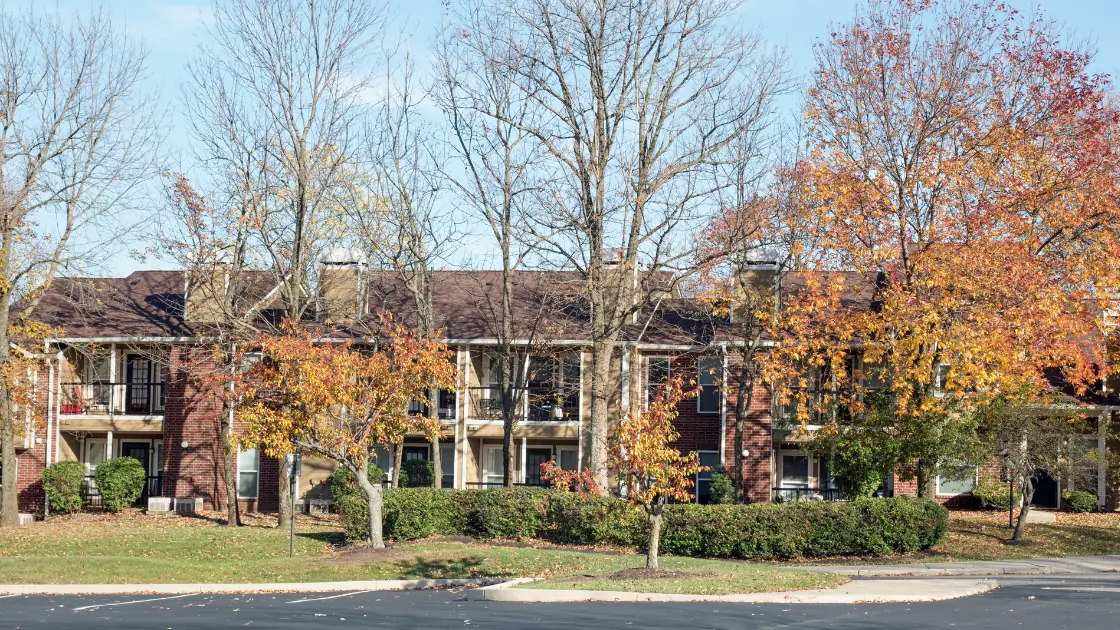
September arrives fast, and if you own rental property in Northeast Ohio, you already know what's coming. The leaves turn, the temperatures drop, and suddenly there's a long list of things that need attention before the cold really sets in. Getting ahead of fall maintenance isn't just smart — it protects your investment, keeps your tenants happy, and helps you avoid emergency calls in the middle of January. Whether you own a single unit or a portfolio spread across Summit County, Cuyahoga County, Portage County, Stark County, and Medina County, this checklist gives you a solid starting point for the season.
Start Outside: Exterior Maintenance That Can't Wait
The outside of your property takes a beating through summer. Before the cold moves in, walk the exterior and look for anything that needs attention.
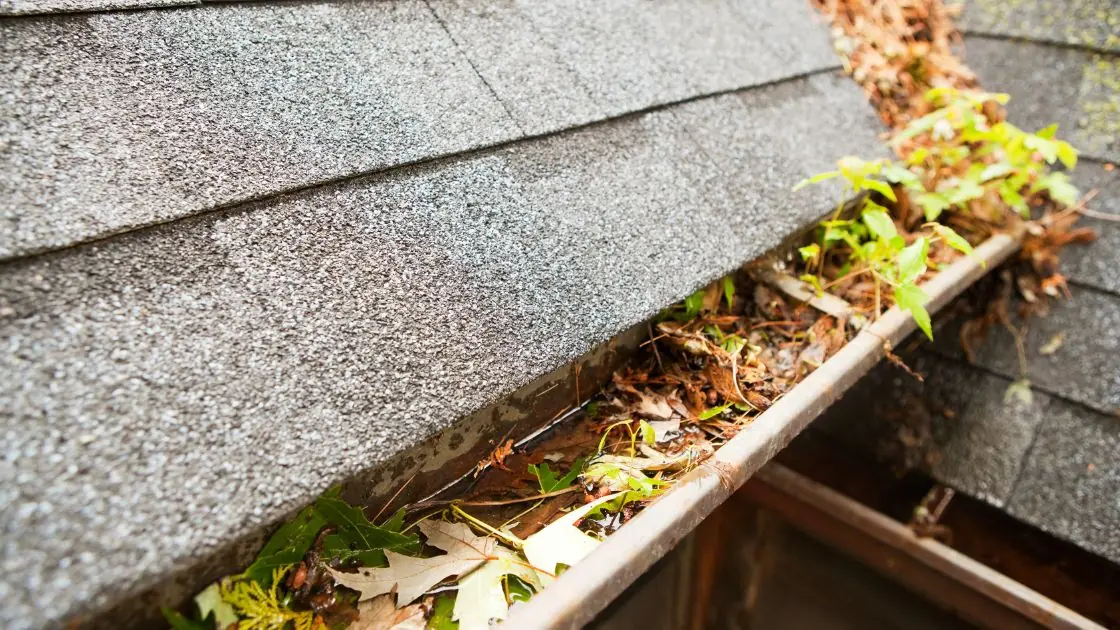
Gutters are a good place to start. Clogged gutters lead to water backing up against the roofline and foundation — both expensive repairs. Clean them out and make sure downspouts are directing water away from the building.
Check the roof for any obvious damage, loose flashing, or missing shingles. You don't need to get up there yourself, but a quick visual inspection from the ground can reveal a lot. If something looks off, schedule a professional to take a look before the first freeze.
Walk the exterior walls and foundation for cracks or gaps where water could enter. Small cracks can become big problems once water freezes inside them. Sealing them now is much less expensive than dealing with water damage later.
Trim any tree branches hanging over the roof or close to the building. Ice and wind in an Ohio winter can bring branches down, and you don't want one landing on a tenant's car or punching through a roof.
HVAC and Heating Systems: Don't Skip This One
Heating system failures in rental properties are one of the most common causes of emergency maintenance calls in winter. They're also almost always preventable with proper fall service.
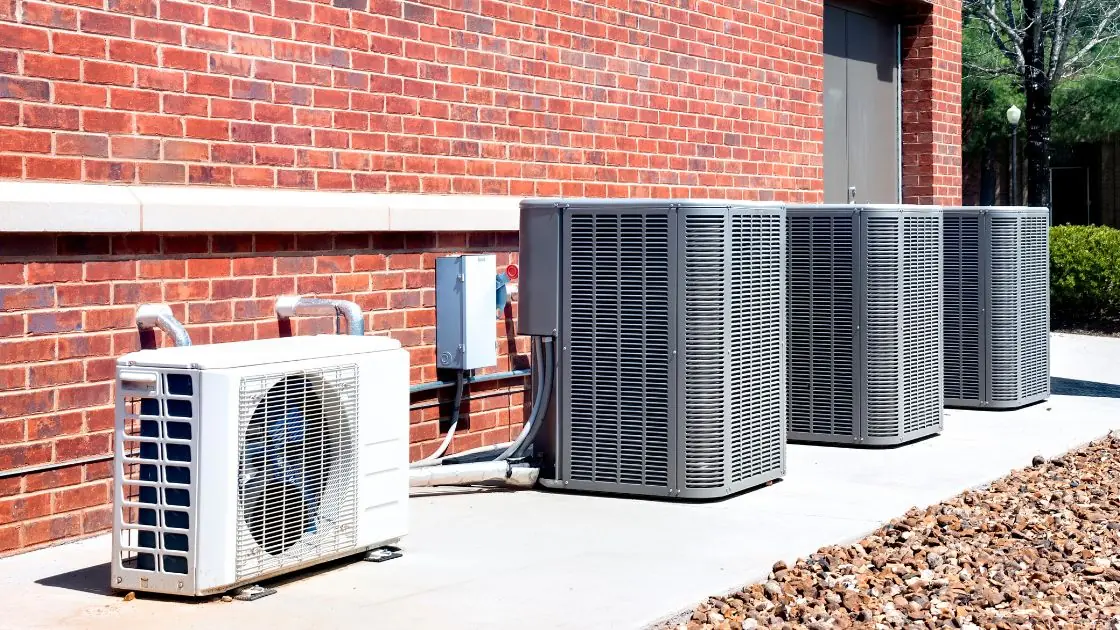
Schedule HVAC inspections and furnace tune-ups in September or early October. Technicians get booked quickly once the cold hits. Getting this done early means your system is tested and ready before it's actually needed.
Change filters and encourage tenants to report any unusual sounds or performance issues right away. A small issue caught in October is a much easier fix than a full breakdown in December.
If your property has older baseboard heaters or radiators, have those inspected too. Check that any thermostats are functioning correctly and that tenants know how to operate them.
Plumbing and Water: Protect Against Freezing
Frozen pipes are one of the most disruptive and costly things that can happen to a rental property. The good news is that most freeze situations are preventable.
Identify any pipes that run through uninsulated exterior walls, crawl spaces, or garages. Those are your most vulnerable spots. Pipe insulation is inexpensive and easy to install before temperatures drop. Our full winterization guide walks through this in more detail.
Make sure outdoor hose bibs are shut off and drained for the season. If your property has an irrigation system, get it blown out before the first freeze.
Check water heaters as well. Fall is a good time to flush sediment, inspect the anode rod, and confirm everything is operating correctly. Water heaters work harder in winter, and a failing unit tends to give out at the worst possible time.
Interior Items Your Tenants Are Counting On
Fall maintenance isn't only about the building's systems. A quick interior walkthrough — scheduled with proper notice to your tenants — can catch a lot before it becomes a problem.
Check all smoke and carbon monoxide detectors. With furnaces running and windows closed, CO detector maintenance is especially important in fall and winter. Replace batteries and test every unit.
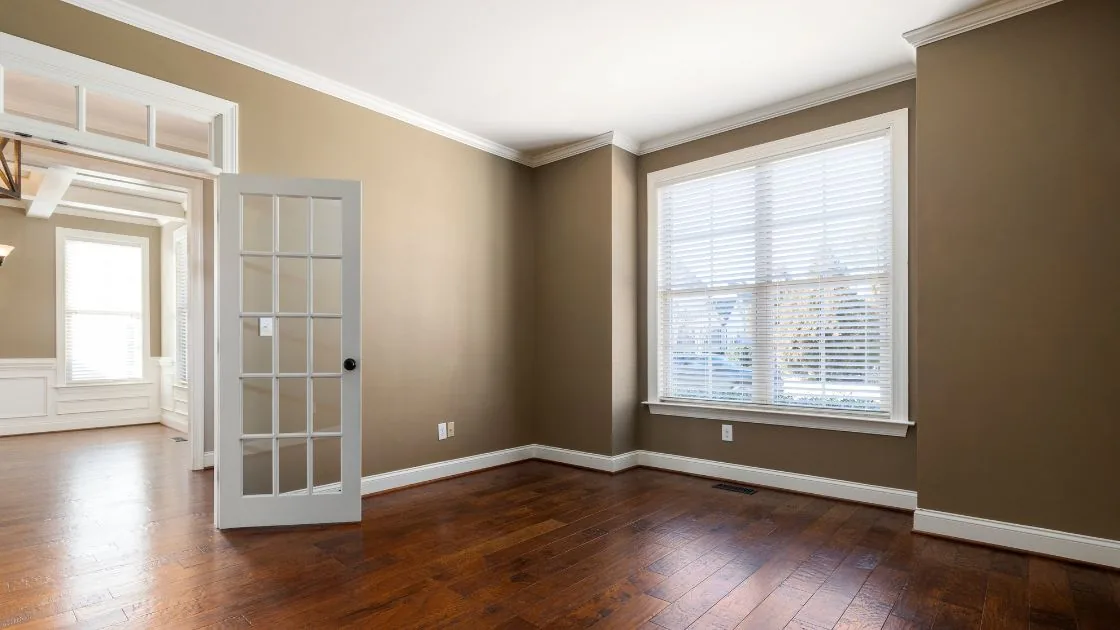
Look at windows and doors for drafts. Weatherstripping wears out over time, and cold air leaking in isn't just uncomfortable for tenants — it shows up in utility bills and can cause condensation issues that lead to mold.
If your units have fireplaces, make sure tenants know whether they're functional or decorative, and that any working fireplace has been inspected before the season begins.
Why Professional Property Management Makes This Easier
Going through this checklist yourself for one property takes time. Managing it across multiple units, coordinating vendors, keeping records, and following up on tenant-reported issues — that's a full-time job. That's exactly what professional management is for.
At CRPM, we handle the details for the property owners and HOA communities we serve across Summit County, Cuyahoga County, Portage County, Stark County, and Medina County. We coordinate seasonal maintenance, manage vendor relationships, and make sure nothing falls through the cracks heading into winter. Your property is in good hands, and you don't have to manage the calendar or the phone calls.
For HOA communities, fall is also the time to begin budget planning and get annual meeting preparations underway. Our team handles that process from start to finish so your board members can focus on the community rather than the paperwork.
Frequently Asked Questions
When should property owners schedule fall maintenance in Northeast Ohio?
Early to mid-September is ideal. Vendors fill up quickly once temperatures start dropping, and you want repairs and inspections completed before the first hard frost. Getting ahead of the season by even a few weeks makes a significant difference in cost and availability.
Is fall maintenance the property owner's responsibility or the tenant's?
In most residential rental situations in Ohio, property owners are responsible for maintaining the structure, heating systems, plumbing, and other major building systems. Tenants are generally responsible for basic upkeep of their unit. Your lease should clearly spell out who handles what — if yours doesn't, that's worth reviewing with a property management professional.
What's the biggest fall maintenance mistake property owners make?
Waiting too long. By the time November rolls around, HVAC technicians are booked out, repair costs go up, and the window for preventive work has closed. The property owners who have the smoothest winters are almost always the ones who started their fall checklist in September.
Can CRPM handle seasonal maintenance coordination for my rental property?
Yes. Seasonal maintenance coordination is part of what we do for the property owners we work with across Northeast Ohio. We handle vendor scheduling, inspection follow-ups, and ongoing communication with your tenants so you don't have to.
Does CRPM also manage HOA communities in the Akron and Cleveland area?
Absolutely. We provide full HOA management services, including fall budget planning, annual meeting preparation, vendor coordination, and financial management, for communities covering Summit County, Cuyahoga County, Portage County, Stark County, and Medina County.
Make Fall Maintenance One Less Thing to Worry About
Fall is a season that rewards property owners who plan ahead. The checklist above covers the essentials, but the real peace of mind for property owners comes from having a team that manages these details consistently, year after year. If you're tired of tracking it all yourself, we'd love to talk. CRPM provides professional management you can count on for rental properties and HOA communities across Northeast Ohio. Call us today to schedule a consultation and see what professional management looks like for your property.