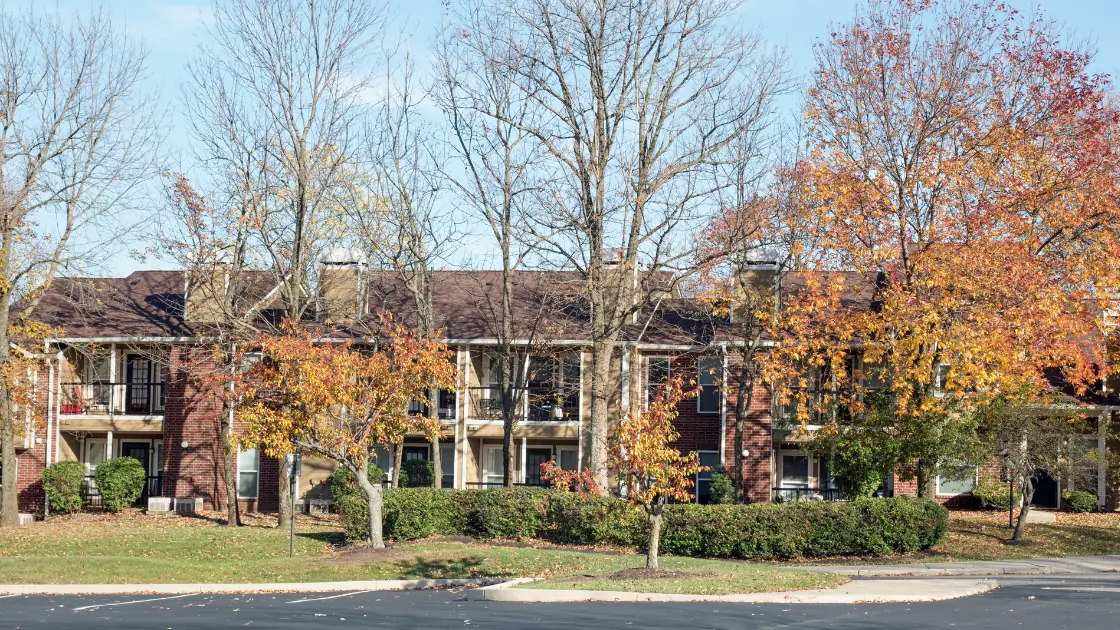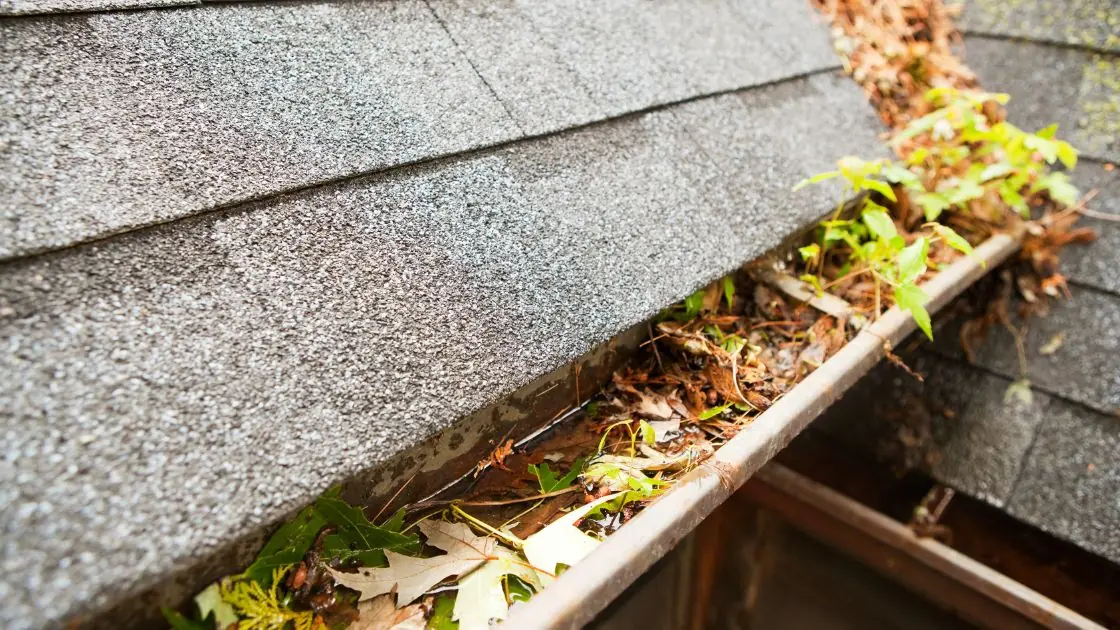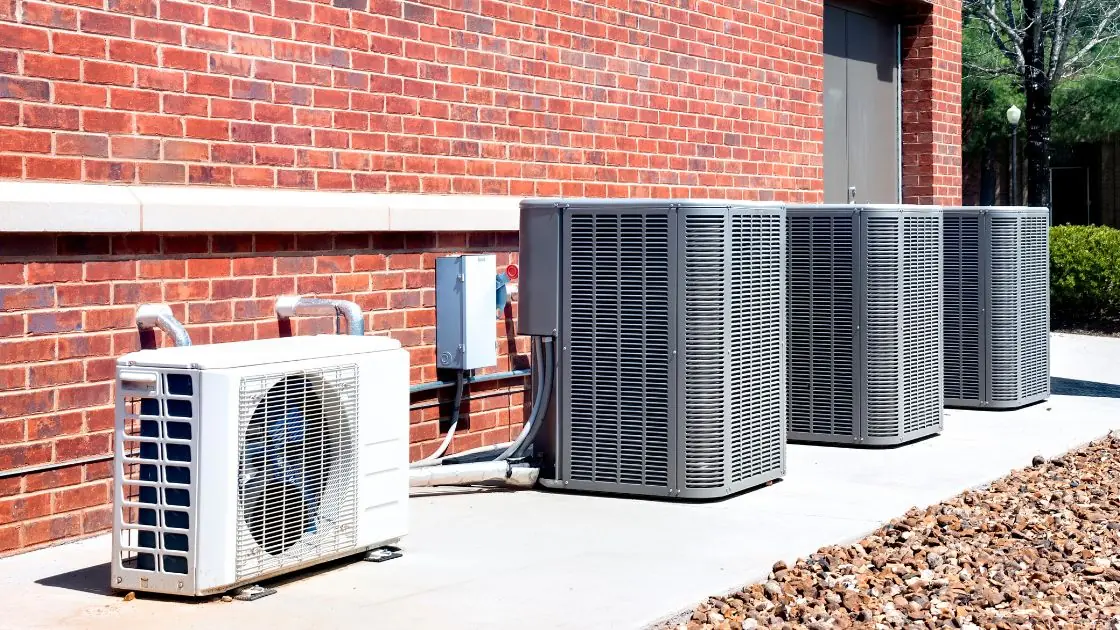

Nobody joins an HOA board hoping to hit their neighbors with a $5,000 special assessment. But it happens all the time. A roof fails on the clubhouse. The parking lot cracks apart after a bad winter. The pool pump dies in June. And when the reserve account is sitting at a few thousand dollars, the board has no choice but to pass the bill along to homeowners.
That kind of surprise creates real tension in a community. People get angry. Trust breaks down. Board members burn out.
A well-funded reserve account prevents all of that. It takes planning and discipline, but the payoff is a community where big expenses don’t turn into big emergencies.
What a Reserve Fund Actually Does
Think of your HOA’s operating budget as the checking account. It covers the day-to-day stuff: landscaping, snow removal, insurance, utilities. The reserve fund is the savings account. It’s there for the big ticket items that don’t come up every year but will eventually show up.
Roof replacements. Repaving. Siding repairs. Elevator maintenance in larger buildings. These aren’t surprises. They’re predictable costs on a long enough timeline. The question is whether your board is setting money aside now or scrambling later.
According to the Foundation for Community Association Research, roughly 70% of community associations in the U.S. are underfunded when it comes to reserves. That’s a staggering number. It means most HOAs are one major repair away from a financial crisis.
Start with a Reserve Study
You can’t plan for what you don’t measure. A reserve study is a professional assessment that looks at every major component your association is responsible for maintaining. It estimates the remaining useful life of each item and what it’ll cost to replace or repair when the time comes.
Ohio doesn’t legally require HOAs to conduct reserve studies, but that doesn’t mean your board should skip it. Without one, you’re guessing. And guessing with other people’s money is a fast way to lose credibility.
A good reserve study will tell you your current funding level as a percentage. Most experts recommend aiming for at least 70% funded. Below 30%, you’re in the danger zone.
Plan to update the study every three to five years. Costs change. Conditions change. Your funding plan should reflect that.
How Much Should Your HOA Save Each Year
This depends on the size of your community and the age of your infrastructure. A 20-unit townhome association with a ten-year-old roof has different needs than a 150-unit condo complex with an aging elevator system.
The reserve study will give you a recommended annual contribution. Some boards break that into monthly allocations from homeowner dues. Others collect it as a separate line item. Either way, the key is consistency. Skipping contributions in lean years just pushes the problem forward.
Here in Northeast Ohio, weather plays a bigger role than people realize. Freeze-and-thaw cycles tear up asphalt, concrete, and roofing materials faster than in milder climates. If your reserve study used national averages, your board might be underestimating replacement timelines. Make sure your numbers reflect what actually happens in Summit County winters.
Avoiding the Special Assessment Trap
Special assessments aren’t illegal. They’re not even unusual. But they’re almost always a sign that something went wrong with planning.
Homeowners don’t budget for a sudden $3,000 or $8,000 bill. When one lands, it creates hardship for some owners and frustration for everyone else. Boards that rely on special assessments also tend to face higher turnover, lower meeting attendance, and more disputes.
The fix is straightforward. Fund the reserve account properly every single year. If your board inherited an underfunded reserve, create a catch-up plan that gradually increases contributions over three to five years. Slow and steady is better than doing nothing until the parking lot collapses.
If your board is dealing with questions about budgeting, management structure, or long-term planning, it helps to have a professional in your corner. CRPM has more than 20 years of experience managing HOA communities in Northeast Ohio, and reserve fund planning is a core part of our work.
What Good Reserve Fund Management Looks Like
Boards that handle reserves well tend to share a few habits. They get a reserve study done early and update it regularly. They build the reserve contribution into the annual budget as a non-negotiable line item. They communicate openly with homeowners about what the reserves are for and how they’re doing.
Transparency goes a long way. When homeowners can see that their dues are funding specific future repairs, they’re more likely to support modest increases when needed. Nobody likes paying more. But most people understand that a small increase now beats a five-figure assessment later.
It also helps to keep reserve funds in a separate account from operating funds. Mixing the two makes it too easy to dip into reserves for everyday expenses. That’s how accounts get quietly drained.
Frequently Asked Questions
How do I know if our HOA reserve fund is underfunded?
The clearest way is through a reserve study. It will calculate your funded status as a percentage. Anything below 30% is a warning sign. If your association has been deferring maintenance or has no formal reserve plan, chances are you’re underfunded. A professional property manager can help you assess where things stand and build a plan to close the gap.
Does Ohio law require HOAs to have a reserve fund?
Ohio does not currently require HOAs to maintain a reserve fund by statute. However, many association governing documents include provisions about reserves. Even without a legal mandate, operating without one puts your community at risk of special assessments and deferred maintenance. It’s one of those things where the smart move is to do it, whether the law says you have to or not.
Can a property management company help with reserve fund planning?
Yes. An experienced property management company can coordinate reserve studies, help your board interpret the results, set annual contribution targets, and track spending against the plan. It takes the guesswork out of the equation and keeps the board accountable to a real strategy instead of reacting to problems as they come up.
If your HOA board is dealing with reserve fund questions, budgeting concerns, or just wants a second set of eyes on your financial planning, Catalyst Realty Property Management can help. We’ve been working with associations across Summit County and Northeast Ohio for over 20 years. Call us at 330-230-9949 or visit crpm.net to get started.