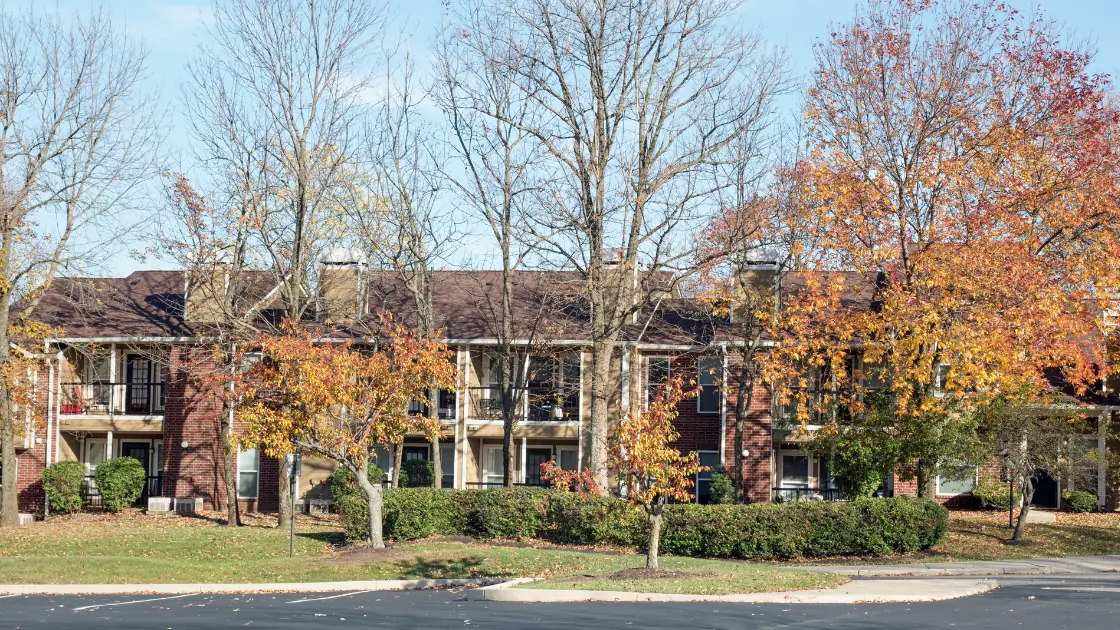

Buying a commercial property in Ohio is a big step, and it comes with a lot of moving parts. There are so many types of commercial properties for sale, from office buildings to small retail storefronts and larger industrial spaces. But with each option comes a different set of needs, rules, and upkeep.
It’s not just about finding a building that looks right. There’s a lot to consider beneath the surface, from legal use and conditions to location and responsibilities once winter arrives. If you’re looking to make your move sometime soon, especially as colder months approach, there are a few things worth knowing ahead of time.
Check the Zoning and Property Use Rules
Not every commercial building can be used in the same way. One of the first things we always suggest is to check how the property is zoned.
• Every city or county has rules that say what kind of work or business can happen in a building. One property might be fine for retail but not for a warehouse.
• If you’re planning to run your own business in the space, or lease it out, make sure the building is allowed to be used that way.
• The best way to find out is to call the city’s zoning department and ask directly. It’s much easier to ask now than to realize later that your plans don’t match the rules.
Zoning isn’t always flexible. So before getting too far along, it’s smart to double-check that the space you’re looking at lines up with your goals.
Understanding zoning early on can save time and frustration. Sometimes, even similar-looking buildings next door to each other have totally different approved uses. Asking local officials directly or reviewing city documents helps you know exactly what’s allowed before investing a lot of time and energy into a place that might not be right for your plans. Checking early keeps surprises to a minimum and helps you focus on properties that are a true match.
Understand the Condition of the Property
Looking at the surface isn’t enough. A property might seem move-in ready, but the structure, systems, or layout could have issues that cost more time or money than expected.
• Older buildings may not meet newer building or safety codes. Some might need updates to plumbing, heating systems, or electrical panels.
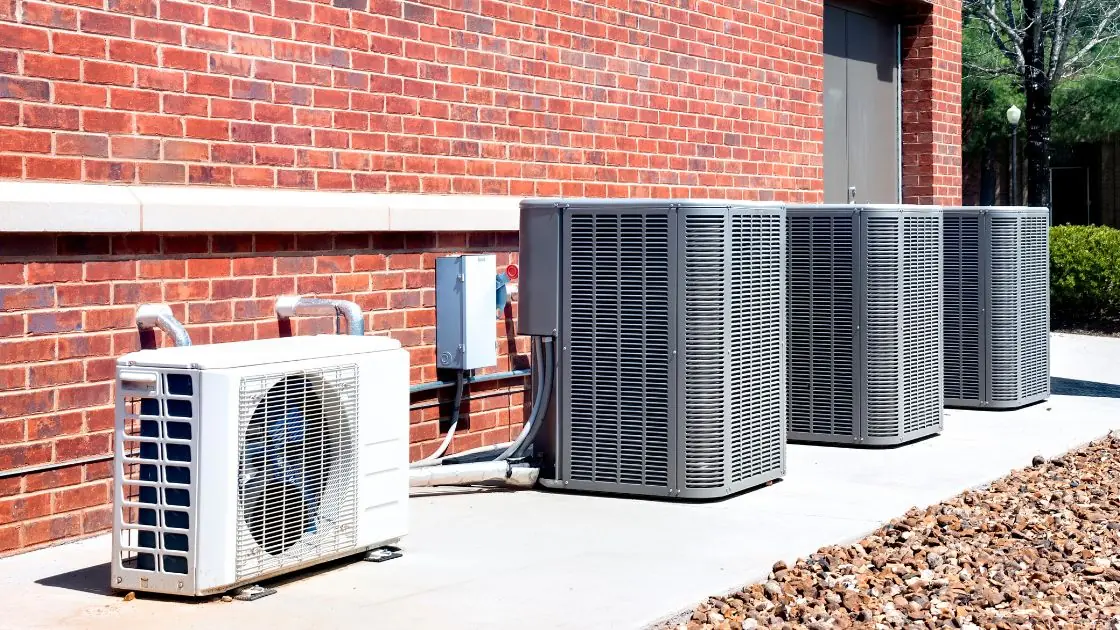
• A full inspection can help spot big repairs early. That might include checking the roof, windows, or HVAC system.
• Ohio winters can be tough, so knowing if the building has good insulation or efficient heating matters.
It’s better to ask hard questions now than be surprised later. Knowing what needs work helps you plan and keeps your project moving without delays.
Hire a trusted inspector and try to be present during the inspection if possible. Sometimes, minor repairs can reveal larger hidden problems, so it’s good to ask plenty of questions along the way. Noticing details now gives you a realistic view of what’s ahead. If there are historic features, check if there are rules on updating them or if you’ll need special permits for renovations.
Location Matters, Now and Later
Where a building stands makes a huge difference. It doesn’t just affect how it looks; it shapes who might visit, how easy it is to get to, and whether it makes sense over time.
• Look at access roads, parking, and nearby businesses. If you’re hoping for steady foot traffic, you’ll want a place where people already stop by.
• Check the area’s future plans too. Some towns post what kind of development is coming next. A new grocery store or road project could help, or hurt, your chances of keeping tenants or growing your own business there.
• Safety, street lighting, sidewalks, and even snow removal routes can all shape the day-to-day experience.
The right location isn’t just a map dot. It should work well now and still make sense a few years from now.
Talk to neighbors or nearby business owners if you can, to get a sense of how things work in the area over time. Sometimes, what seems quiet in the summer gets busy in winter, or vice versa. It’s also good to note if there are scheduled road works or public projects that might impact traffic patterns or visibility. This can affect both short-term plans and long-term value.
Review Lease Agreements or Vacancy Risks
If you’re looking at a property with tenants already inside, it’s important to understand what kind of deals are already in place.
• Take time to read all the active leases. Pay attention to how long they last, what the rent terms are, and who takes care of repairs.
• If spaces are empty, think about who you might rent to and how long that might take. Not every business wants to move in during the winter, especially near the holidays.
• Empty space might seem like a blank canvas, but every month without a tenant is time without income.
Getting a clear picture of the leasing situation helps you plan how to use the property and what kind of effort it’ll take to keep it full.
Ask for copies of all leases and make sure to understand any renewal clauses or maintenance responsibilities. If a lease is ending soon, make a plan for advertising the space or update the rental terms as you see fit. It also helps to be aware of seasonal changes, as commercial space can sometimes take longer to fill during colder months when moving can be challenging for tenants. If there are longer-term tenants, it’s worth asking about their satisfaction or future plans to see if they’d like to stay under new ownership.
Plan for Winter and Long-Term Upkeep
Owning a commercial building in Ohio means planning for snow, ice, and cold. That’s something worth getting ahead of, before problems show up during the first storm.
• Know who will handle snow plowing, sidewalk clearing, and salting. That often becomes the building owner’s job if no one else is hired.
• Make sure the heating systems are working well before the colder months kick in. Broken heat not only makes tenants uncomfortable, but it may also create safety risks or frozen pipes.
• Think about long-term care for the roof, exterior, and parking areas. Chips in pavement or leaks in roofing can get worse after a few winter cycles.
Getting ready for winter helps cut down on surprise calls and repair bills. It’s part of the bigger picture of what it really means to own commercial space in Ohio.
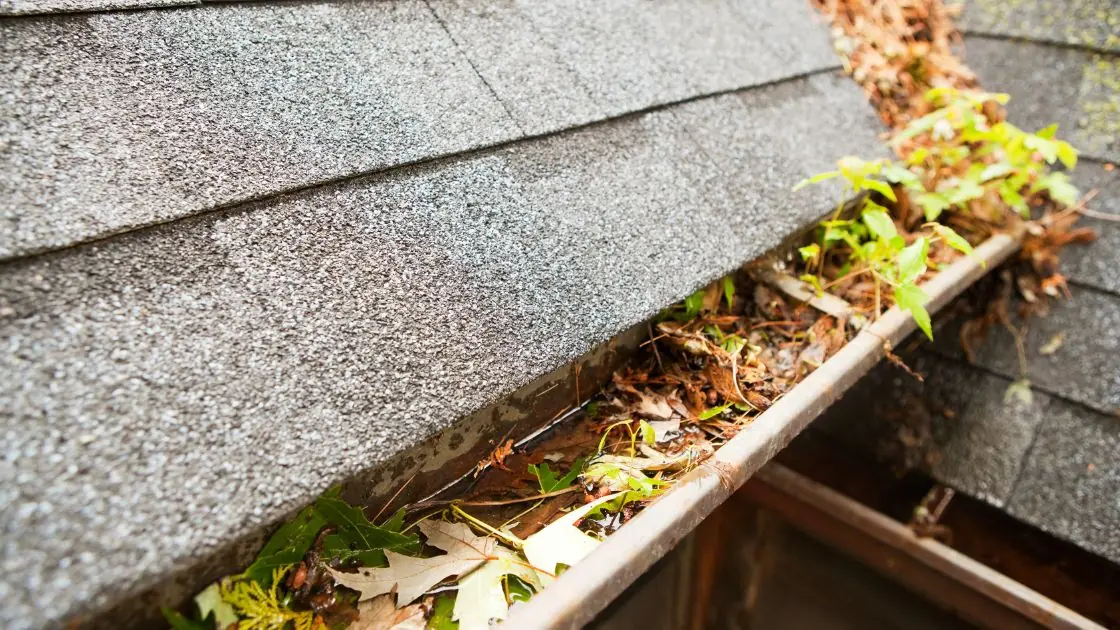
Consider putting simple agreements in writing for seasonal upkeep or setting calendar reminders to check major systems annually as the weather changes. Little things, like clearing gutters, sealing cracks, or regularly sanding sidewalks, make buildings safer and more appealing for everyone. If you handle these jobs in advance, you’re less likely to get caught off guard by a surprise freeze or storm.
Frequently Asked Questions
How do I find out whether a commercial property allows my intended use?
Call the city or county zoning department and ask directly. Every municipality has rules about what kind of business can operate in a building, and one property might be approved for retail but not a warehouse. Zoning is not always flexible, and two similar-looking buildings next door to each other can have completely different approved uses, so confirm it before you invest much time in a property.
What should a commercial property inspection cover in Ohio?
At minimum the roof, windows, and HVAC system, plus plumbing and electrical panels on older buildings that may not meet current codes. Because Ohio winters are hard on buildings, insulation quality and heating efficiency deserve real attention. Try to be present during the inspection and ask plenty of questions, since minor repairs often point to larger hidden problems.
What should I review if the building already has tenants?
Ask for copies of all active leases and read them closely. Pay attention to how long each term runs, what the rent terms are, who is responsible for repairs, and what any renewal clauses say. If a lease is ending soon, plan now for advertising the space or updating the terms. It is also worth asking longer-term tenants about their plans and whether they would like to stay under new ownership.
Who handles snow removal at a commercial property?
If nobody else is hired for it, that responsibility typically lands on the building owner, including plowing, sidewalk clearing, and salting. Sort this out before the first storm rather than during it. Putting simple written agreements in place for seasonal upkeep, and setting calendar reminders to check major systems each year, keeps you from getting caught off guard by a surprise freeze.
Is winter a harder time to fill vacant commercial space?
It can be. Not every business wants to move during the colder months, especially near the holidays, so a vacant space may take longer to fill than it would in spring. Every month without a tenant is a month without income, so if you are buying a property with vacancy, factor that timing into your plan rather than assuming the space will lease immediately.
What Careful Planning Can Help You Avoid
Buying commercial space isn’t just about finding good square footage. It’s about making sure the details match your needs and goals, and staying ahead of troubles that could show up later.
By checking zoning laws, examining the building closely, and considering leases or seasonal needs, you can avoid much of the stress that comes when things don’t align. A little preparation goes a long way in making sure the property supports your goals for years to come.
We offer comprehensive leasing services, as well as commercial property management and property maintenance, for buyers and owners in the Akron and greater Ohio areas. This includes assistance with tenant leasing, routine inspections, and maintenance scheduling.
We always recommend taking the time to clarify what you’re buying. That way, when it comes time to sign, you can move forward with more confidence and fewer unknowns.
Navigating the process of buying a commercial property requires expert insights and thoughtful planning. At Catalyst Realty Property Management, we know the importance of finding the right fit for your business needs. Explore commercial properties for sale in Ohio and let our experienced team guide you through each step. Contact us today to discover opportunities and make informed decisions with confidence.